
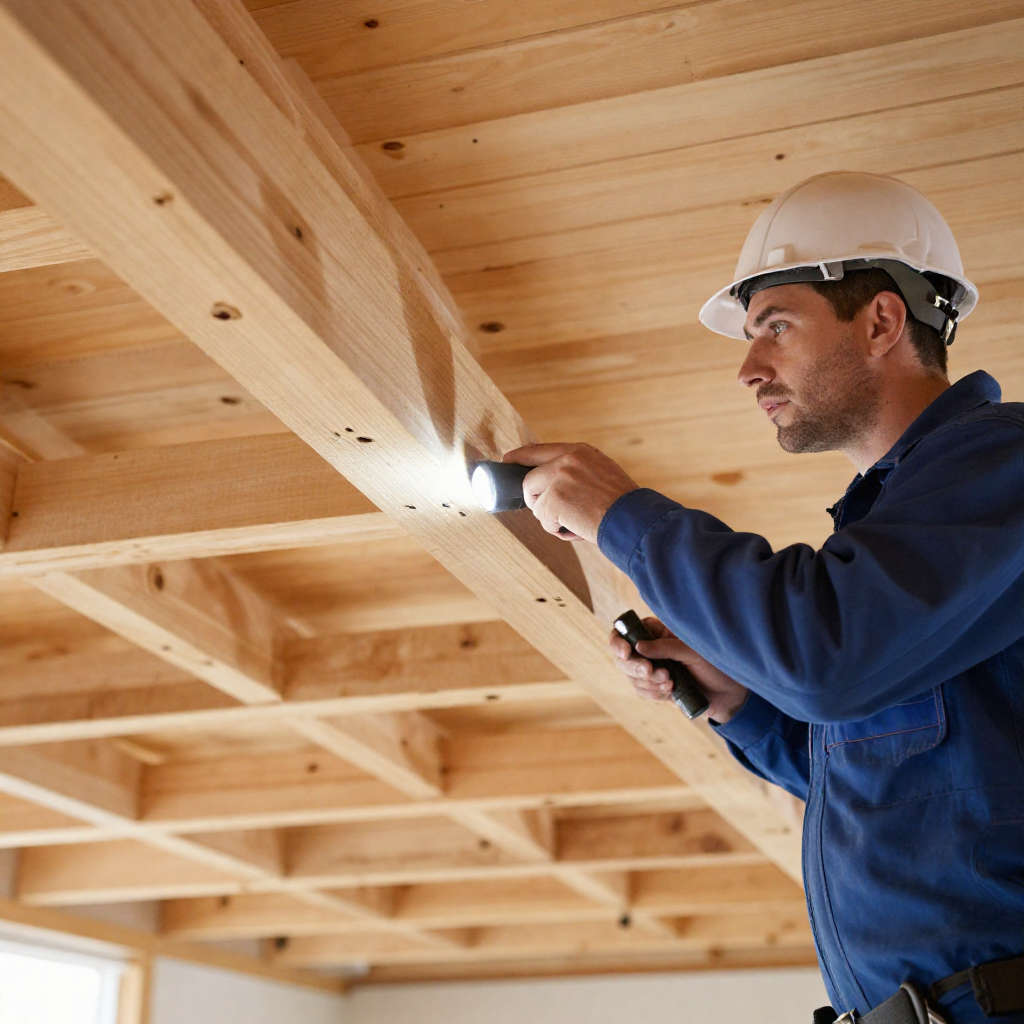
Reclaimed wood has become increasingly popular in modern construction, furniture making, and interior design. Salvaged from old barns, warehouses, factories, bridges, and historic buildings, reclaimed timber offers a unique combination of character, sustainability, and craftsmanship that is difficult to replicate with newly milled wood. Its aged appearance, rich grain patterns, and environmental benefits make it a preferred choice for homeowners, architects, and designers alike.
However, reclaimed wood also presents unique challenges. Because it has already served in previous structures—sometimes for decades or even centuries—it may have been exposed to moisture, fungal decay, or wood-boring insects during its earlier life. While many reclaimed timbers remain perfectly sound, every piece should be carefully inspected before being reused in a new project.
In this guide, we’ll explain why reclaimed wood requires extra pest inspection, what signs to look for, and how to prepare salvaged timber for safe, long-term use.
What Is Reclaimed Wood?
Reclaimed wood is timber recovered from existing buildings or structures rather than freshly harvested from trees.
Common sources include:
- Old barns
- Historic homes
- Warehouses
- Churches
- Railway sleepers
- Industrial buildings
- Bridges
- Agricultural structures
Many reclaimed timbers are prized for their durability because they were originally cut from slow-growing, high-quality trees.
Why Reclaimed Wood Requires Careful Inspection
Unlike new lumber, reclaimed timber has an unknown history.
It may have experienced:
- Long-term moisture exposure
- Previous pest infestations
- Structural modifications
- Weather damage
- Improper storage
- Past repairs
A thorough inspection helps identify potential issues before installation.
Common Wood-Boring Insects
Several insects may affect reclaimed timber depending on its origin.
Examples include:
- Common Furniture Beetle
- Deathwatch Beetle
- House Longhorn Beetle
- Powderpost Beetles
In some regions, termites may also be a concern.
Not every reclaimed board contains pests, but careful inspection is essential because insect activity is often hidden inside the wood.
Signs of Previous or Active Woodworm
Inspect reclaimed timber for:
- Small round exit holes
- Fine powdery wood dust (frass)
- Weak or crumbly wood
- Fresh insect activity
- Irregular internal tunnels
- Adult beetles during warmer months
Old exit holes alone do not necessarily indicate an active infestation, but professional assessment can confirm whether treatment is required.
Check for Moisture Damage
Moisture is one of the leading causes of timber deterioration.
Look for:
- Water stains
- Soft timber
- Dark discoloration
- Mold growth
- Musty odors
Timber should be dry before it is installed or sealed.
Inspect for Fungal Decay
Fungal decay can reduce structural performance if left untreated.
Possible warning signs include:
- Soft or spongy wood
- Surface cracking
- Shrinking timber
- Areas of discoloration
- Persistent dampness
If decay is extensive, replacing the affected section may be safer than attempting repairs.
Examine Structural Integrity
Before using reclaimed timber in load-bearing applications, inspect for:
- Deep cracks
- Splits
- Warping
- Loose joints
- Previous repairs
- Structural weakness
For structural projects, a professional assessment may be necessary.
Clean Before Reuse
Proper cleaning helps reveal hidden defects.
Before installation:
- Remove dirt and debris.
- Brush away loose material.
- Remove old nails and fasteners.
- Allow the timber to dry completely.
Cleaning also prepares the surface for refinishing or treatment.
Store Reclaimed Wood Properly
Before use, store reclaimed timber:
- In a dry location
- Off the ground
- With adequate airflow
- Away from standing water
Proper storage helps prevent new moisture-related problems.
Apply Suitable Protective Finishes
Once reclaimed timber has been inspected and prepared, suitable finishes may include:
- Wood oils
- Sealants
- Exterior stains
- Paint systems
- Protective coatings
Choose products appropriate for the intended indoor or outdoor application.
Modern Woodworm Treatment Options
If an active woodworm infestation is confirmed, treatment depends on:
- Beetle species
- Severity of infestation
- Timber condition
- Accessibility
Professional options include approved chemical treatments and modern heat-based technologies.
Microwave Woodworm Treatment
One increasingly popular chemical-free option is microwave woodworm treatment.
Professional microwave equipment uses dielectric heating to generate controlled heat inside timber.
The treatment is designed to eliminate:
- Woodworm larvae
- Beetle eggs
- Pupae
- Adult wood-boring beetles
Benefits
- Chemical-free
- No pesticide residues
- Localized treatment
- Environmentally responsible
- Helps preserve original reclaimed timber
- Suitable for many reclaimed wood applications where professional assessment confirms it is appropriate
A timber preservation specialist can determine whether this treatment is suitable before reclaimed wood is reused.
Reclaimed Wood Inspection Checklist
Before installation, inspect for:
- Exit holes
- Fresh frass
- Moisture damage
- Fungal decay
- Structural cracks
- Warping
- Soft timber
- Loose joints
- Old repairs
A careful inspection helps ensure reclaimed wood remains safe and durable.
Common Mistakes to Avoid
Avoid these common errors:
- Installing reclaimed wood without inspection.
- Assuming old exit holes mean the timber is unusable.
- Ignoring moisture damage.
- Applying finishes before the wood is dry.
- Using structurally compromised timber in load-bearing applications.
Careful preparation reduces future maintenance problems.
Common Myths About Reclaimed Wood
Myth 1: Reclaimed Wood Always Contains Woodworm
Fact: Many reclaimed timbers are completely free of active pests. Inspection is important because the condition varies from piece to piece.
Myth 2: Old Exit Holes Mean the Wood Must Be Discarded
Fact: Exit holes may indicate a previous infestation rather than an active one. A professional inspection can determine whether treatment is needed.
Myth 3: Reclaimed Timber Is Too Old to Be Structurally Sound
Fact: Many reclaimed beams remain exceptionally strong and can continue serving for decades when properly inspected, prepared, and maintained.
When Should You Contact a Professional?
Professional advice is recommended if you notice:
- Fresh frass.
- New exit holes.
- Soft timber.
- Persistent moisture.
- Fungal decay.
- Large structural cracks.
- Signs of active insect activity.
A qualified timber preservation specialist can inspect reclaimed wood, determine whether any infestation is active, assess structural integrity, and recommend the most appropriate treatment or restoration plan.Visit online https://www.shashel.eu for more details.
Conclusion
Reclaimed wood offers exceptional beauty, sustainability, and character, making it a valuable choice for homes, furniture, and restoration projects. However, because it has already served in previous structures, it deserves a thorough inspection before being reused. Checking for moisture damage, fungal decay, structural weakness, and signs of wood-boring insects helps ensure the timber remains safe and durable.
If woodworm is discovered, professional treatment—whether through approved chemical products or modern chemical-free technologies such as microwave woodworm treatment—can help preserve valuable reclaimed timber while maintaining its historic character. With careful inspection, proper preparation, and ongoing maintenance, reclaimed wood can continue to provide strength and beauty for generations.